
Creating a sanctuary that reflects your personality is an exciting journey. Whether you are refreshing a single room or redesigning your entire house, finding the best home decor requires a balance of style and function. Our guide helps you navigate these choices to ensure your environment feels both inviting and uniquely yours.
We believe that stylish touches should always align with your daily lifestyle and budget. You will discover practical home decor ideas that simplify the process of selecting color palettes and furniture arrangements. From cozy bedrooms to functional offices, we cover every corner of your residence.
This article serves as your roadmap for a beautiful transformation. We will explore how to blend individual taste with modern trends to craft a space you truly love. Let us begin this creative adventure together.
Key Takeaways
- Define your personal style before purchasing new items.
- Prioritize functionality to ensure your space serves your daily needs.
- Use color palettes to create a cohesive flow between rooms.
- Balance your budget by mixing high-end pieces with affordable accents.
- Focus on transitional spaces to maximize the utility of your floor plan.
Find Your Best Home Decor Style
Your home should be a reflection of your personality, blending beauty with your daily needs. Finding a decor style that resonates with you is the foundation of a happy living space. By exploring various interior design ideas, you can curate a home that feels both intentional and comfortable.
Recognize the Design Styles That Feel Most Like You
Identifying your aesthetic preferences helps narrow down the vast world of home furnishings. Whether you lean toward minimalism or maximalism, understanding the core elements of different looks is essential.
Modern, Traditional, and Transitional Spaces
Modern design focuses on clean lines, neutral palettes, and a lack of clutter. In contrast, traditional spaces often feature ornate details, rich wood tones, and symmetrical arrangements. If you cannot decide between the two, transitional design offers the perfect middle ground by blending classic comfort with contemporary simplicity.
Bohemian, Coastal, and Organic-Inspired Rooms
Bohemian rooms celebrate vibrant patterns, layered textiles, and a relaxed, eclectic vibe. Coastal decor brings the serenity of the beach indoors with light blues, whites, and natural materials like rattan. Meanwhile, organic-inspired rooms prioritize raw textures, earthy tones, and sustainable materials to create a grounded, peaceful atmosphere.
Balance Personal Taste With Everyday Function
While visual appeal is important, your home must also support your lifestyle. Great interior design ideas always account for how you actually use your rooms. Before committing to a specific decor style, consider your daily habits, such as whether you have pets, children, or a need for frequent entertaining.
Choose durable fabrics and versatile furniture that can withstand the demands of your household. Functionality does not mean you have to sacrifice your personal vision. By selecting pieces that serve a purpose while reflecting your unique taste, you create a home that is as practical as it is beautiful.
Build a Cohesive Color Palette
If you want a space that feels curated and calm, start by building a cohesive color palette. A thoughtful plan supports your goal of creating stylish, inviting rooms without requiring every surface to match exactly. By choosing the right tones, you create a sense of flow that makes your entire home feel unified.
Choose a Livable Base Color
A livable base color acts as the anchor for your design. Think of soft whites, warm greys, or muted beiges that provide a clean backdrop for your furniture. These neutral shades create continuity throughout your home, allowing you to change your style over time without needing to repaint every wall.
Add Accent Colors Through Flexible Decor
Once your base is set, you can introduce personality through flexible decor. Items like throw pillows, artwork, and rugs are easy to swap out as seasons change or your tastes evolve. This approach keeps your cozy home decor feeling fresh and relevant without a major investment.
Use the 60-30-10 Color Balance
To achieve a professional look, follow the 60-30-10 rule. Use your primary color for 60% of the room, a secondary color for 30%, and a bold accent for the final 10%. This ratio ensures that your space feels balanced rather than overwhelming.
Coordinate Colors Across Connected Rooms
When decorating open-concept spaces, carry one or two colors from the main room into the next. You might use the same accent color in your living room pillows as you do in your dining room centerpiece. This simple trick creates a harmonious transition between areas, making your home feel larger and more intentional.
Use Texture to Keep Neutral Rooms Interesting
A neutral color palette does not have to feel boring. You can add depth by layering different textures, such as chunky knit blankets, velvet cushions, or natural wood accents. These tactile elements bring warmth to your cozy home decor, ensuring that your space feels inviting and full of character even without bright, bold colors.
Create a Welcoming Living Room
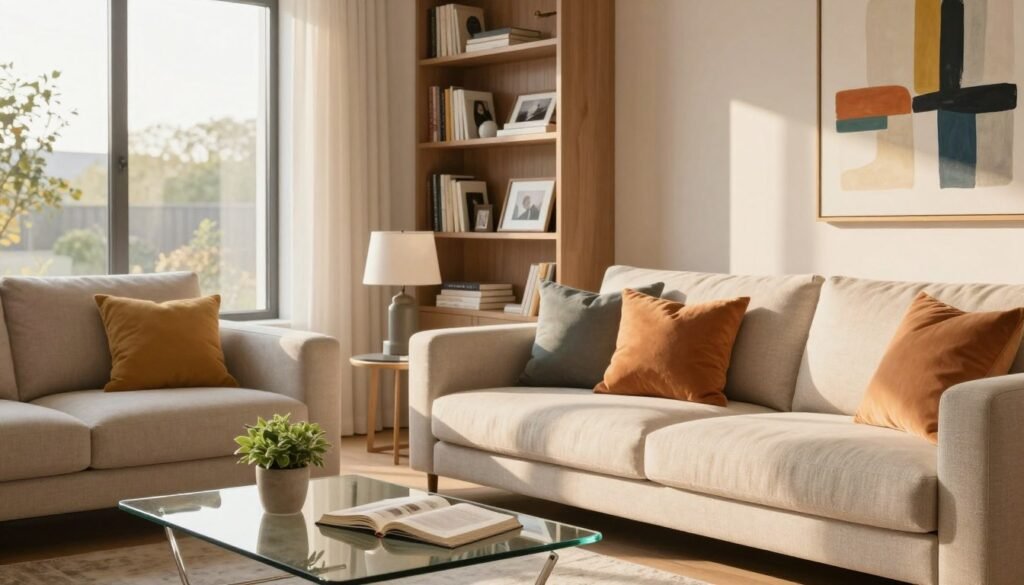
A truly inviting living room is one that balances beautiful design with the needs of your daily life. When you focus on living room decor that prioritizes both comfort and utility, you create a space where family and friends naturally want to gather.
Arrange Seating for Conversation and Comfort
The secret to a great layout is prioritizing connection. Instead of pushing all your furniture against the walls, try floating your sofa and chairs toward the center of the room.
This creates an intimate conversation circle that feels much more welcoming. Ensure there is enough space between pieces so guests can move around easily without feeling cramped.
Layer the Sofa With Pillows and Throws
Your sofa should look like an invitation to relax. By layering different textures, such as linen, wool, or velvet, you add depth and visual interest to your seating area.
Don’t be afraid to mix patterns and sizes with your pillows. A soft, chunky knit throw draped over the arm of the sofa provides that perfect cozy touch for chilly evenings.
Anchor the Room With the Right-Size Rug
A rug acts as the foundation for your entire design. If a rug is too small, the room can feel disjointed and unfinished.
Aim for a size where at least the front legs of all your main seating pieces rest on the rug. This simple trick anchors the furniture and makes the room feel cohesive and intentional.
Position a Coffee Table for Easy Movement
The coffee table is the functional heart of the room, but it should never block your path. Leave about 18 inches of space between the table and your sofa to allow for comfortable legroom.
This distance ensures that you can reach your drink or book without feeling restricted. Proper circulation is essential for a room that functions as well as it looks.
Complete the Space With Lighting and Art
Lighting is the final ingredient in making a room feel warm and inviting. Use a mix of floor lamps, table lamps, and overhead fixtures to create layered illumination that you can adjust throughout the day.
Finally, look for wall decor ideas that reflect your personality, such as large-scale prints or a gallery wall of family photos. Thoughtful art choices turn your living room decor into a space that feels uniquely yours.
Make the Bedroom Feel Calm and Personal
Transforming your sleeping space into a peaceful retreat requires a careful balance of comfort and style. Your bedroom decor should prioritize relaxation, ensuring that every item serves a purpose or brings you joy. By keeping surfaces clear and choosing soft textures, you can create a room that feels like a true sanctuary.
Choose Bedding That Looks Layered Without Feeling Cluttered
Layering your bed is the easiest way to add visual interest and warmth. Start with a high-quality duvet cover as your base, then add a folded quilt or a soft throw at the foot of the bed. Keep the color palette cohesive to ensure the layers feel intentional rather than messy.
Use Nightstands to Combine Storage and Style
A nightstand should be more than just a place to set your phone. Look for pieces with drawers to hide away chargers, books, and other small items that create visual noise. Choosing a nightstand with a shelf or drawer helps maintain a clean, calm aesthetic in your bedroom.
Create a Relaxing Lighting Plan
Effective lighting ideas are essential for setting the right mood before you sleep. You want a system that transitions easily from bright morning light to a soft, evening glow. A layered approach allows you to control the atmosphere based on your current activity.
Combine Overhead, Task, and Ambient Lighting
To achieve the perfect balance, use a mix of light sources throughout the room. Overhead fixtures provide general illumination, while bedside lamps offer focused light for reading. Adding a dimmable lamp or wall sconce creates a soft, ambient glow that signals to your brain it is time to wind down.
| Lighting Type | Primary Purpose | Best Placement |
|---|---|---|
| Overhead | General visibility | Center of the ceiling |
| Task | Reading and focus | Bedside tables or wall |
| Ambient | Mood and relaxation | Corners or dimmable lamps |
Add Meaningful Art and Small Personal Details
Your bedroom should reflect who you are, so do not be afraid to display items that hold special meaning. Hang a piece of art that makes you feel calm or place a small vase of fresh flowers on your dresser. These thoughtful touches transform a generic space into a deeply personal haven that supports your well-being.
Refresh the Kitchen With Practical Decor
You can elevate your culinary space by blending style with everyday utility. Great kitchen decor does not have to mean sacrificing the space you need to cook your favorite meals. By choosing items that serve a purpose, you create a room that feels both curated and ready for action.
Style Open Shelves Without Sacrificing Storage
Open shelving is a popular choice for those who want to display their favorite pieces. To keep it practical, group items by frequency of use. Place your most-reached-for glasses and plates on the lower shelves for easy access.
Use the higher shelves for decorative items or seasonal pieces that you do not need every day. This approach ensures your functional home decor remains accessible while keeping the visual clutter to a minimum.
Display Cutting Boards, Cookware, and Everyday Ceramics
Your tools can double as art when displayed with intention. Lean a few wooden cutting boards against the backsplash to add natural warmth to the room. This simple trick saves drawer space while making the kitchen feel lived-in and professional.
Group your everyday ceramics on a tray to keep them organized. Choosing pieces with a cohesive color palette helps the space look intentional rather than messy.
Use Textiles to Add Warmth
Soft textures are essential for balancing the hard surfaces found in most kitchens. Textiles bring comfort and color to an otherwise utilitarian environment.
Select Durable Runner Rugs and Kitchen Towels
A high-quality runner rug adds a layer of softness underfoot while protecting your floors. Look for materials like wool or performance synthetics that can handle spills and heavy foot traffic. Similarly, keep a set of linen or cotton towels on display to add a touch of tactile interest to your handles and bars.
Improve the Countertop With Intentional Accessories
Keep your countertops clear by limiting the number of items on display. Choose a few key pieces, such as a marble utensil crock or a small plant, to anchor the space. This strategy ensures your functional home decor remains a highlight rather than a distraction.
| Item Type | Material Recommendation | Primary Benefit |
|---|---|---|
| Runner Rugs | Performance Wool/Cotton | Comfort and Floor Protection |
| Cutting Boards | Hardwood or Bamboo | Visual Warmth and Utility |
| Kitchen Towels | Linen or Heavy Cotton | Texture and Daily Efficiency |
| Ceramics | Stoneware or Porcelain | Cohesive Style and Storage |
Give the Dining Area More Character
Your dining area serves as the heart of your home, so it deserves a look that feels both intentional and inviting. Great dining room decor does not have to be complicated or expensive to make a lasting impression. By focusing on a few key elements, you can create a space that feels perfectly tailored to your lifestyle.
Choose a Centerpiece That Supports Conversation
The best centerpieces add visual interest without blocking the view of your guests. You want to encourage connection, so keep your table arrangements low and manageable. Consider using items that spark joy or reflect the current season to keep the space feeling fresh.
- Use a shallow wooden bowl filled with seasonal fruit or moss balls.
- Arrange a collection of small, clear bud vases with fresh stems.
- Opt for a runner made of natural linen to add softness without height.
Mix Dining Chairs, Benches, and Textures Thoughtfully
Uniformity is fine, but mixing your seating can add a layer of sophisticated charm to your home. Try pairing a sturdy wooden table with a mix of upholstered chairs and a bench on one side. This approach makes the room feel collected over time rather than purchased from a single catalog.
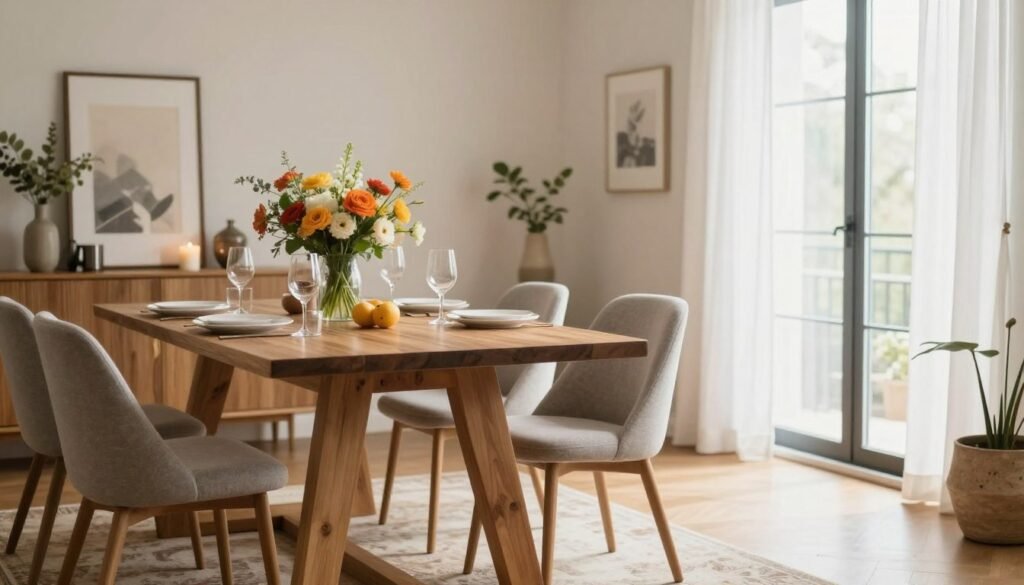
Texture plays a vital role in making a room feel cozy. Incorporate different materials like velvet cushions, woven rattan chair backs, or smooth metal accents. These varied surfaces create a tactile experience that makes your dining area feel warm and welcoming.
Use a Rug and Lighting to Define the Dining Zone
A well-placed rug is an excellent tool for anchoring your furniture and defining the dining zone. Choose a low-pile or flat-weave rug that is easy to clean, ensuring it extends at least 24 inches beyond the table edges. This allows chairs to slide in and out smoothly while adding a layer of comfort to your dining room decor.
Hang a Fixture at a Comfortable Height
Lighting acts as the jewelry of the room, drawing the eye and setting the mood for every meal. For the best results, hang your pendant or chandelier about 30 to 36 inches above the tabletop. This height ensures the light illuminates your food and guests without creating a visual barrier or glare.
If you are unsure about the right height, stand at the table and check if the fixture obscures your view of someone sitting across from you. Adjusting the chain or cord slightly can make a world of difference in how your space functions. Proper lighting truly transforms a simple table into a destination for meaningful conversation.
Design a Functional and Inviting Entryway
A well-designed entryway sets the perfect mood for the rest of your home. It serves as the bridge between the busy outside world and your private sanctuary. By focusing on entryway decor, you can ensure that your home feels both organized and warm from the very first step.
Create a Drop Zone for Shoes, Keys, and Bags
The secret to a tidy home is managing the items you carry daily. Establishing a dedicated drop zone prevents clutter from migrating into your living room or kitchen. Consistency is key when you designate a specific tray for keys and a sturdy rack for bags.
Add a Mirror to Expand Light and Utility
Mirrors are essential tools for any foyer, especially when you want to bounce natural light around a dim area. They provide a final spot to check your appearance before heading out the door. A well-placed mirror adds depth and makes the entire space feel significantly larger.
Make Small Entryways Feel Organized
When working with limited square footage, every inch of wall space matters. Effective small space decor relies on vertical storage to keep the floor clear. You can maintain a clean look by choosing furniture that serves multiple purposes.
Use Wall Hooks, Slim Consoles, and Baskets
Wall hooks are perfect for hanging coats and umbrellas without taking up floor space. A slim console table provides a surface for mail while offering hidden storage underneath. Using woven baskets on the floor or shelves helps hide shoes and accessories, keeping the area looking neat and intentional.
Set the Tone With a Durable Welcome Mat
Your welcome mat is the final touch that protects your floors and greets your guests. Choose a material that stands up to heavy foot traffic while matching your personal style. A high-quality mat acts as a functional barrier against dirt and debris.
| Storage Solution | Primary Benefit | Best For |
|---|---|---|
| Wall Hooks | Vertical Efficiency | Coats and Bags |
| Slim Console | Surface Utility | Keys and Mail |
| Woven Baskets | Hidden Storage | Shoes and Clutter |
| Wall Mirror | Visual Expansion | Small Entryways |
Make the Bathroom Feel Like a Retreat
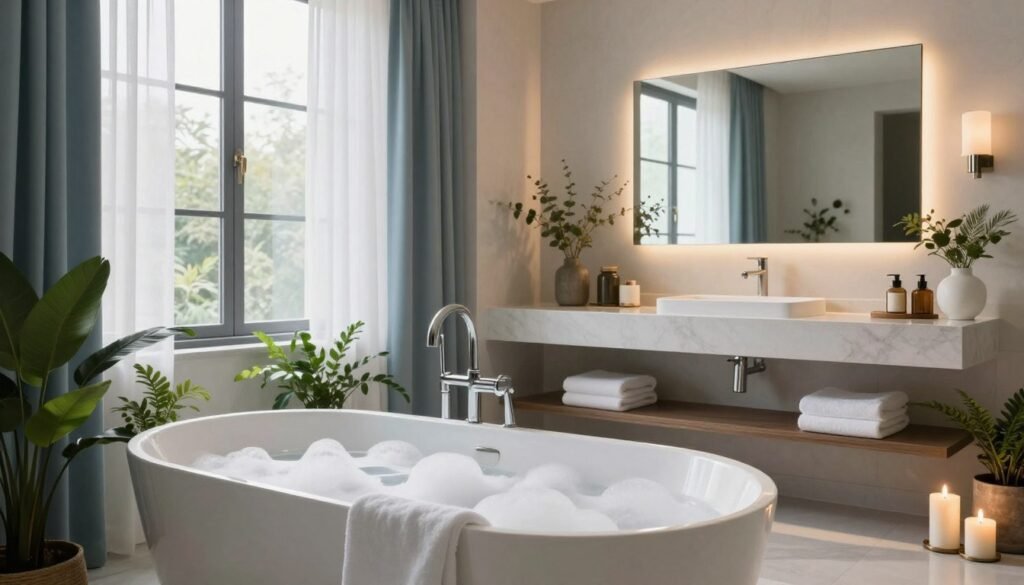
Elevating your bathroom decor doesn’t require a full renovation to achieve a spa-like feel. By focusing on small, intentional changes, you can transform a functional space into a personal sanctuary. The goal is to balance beauty with the practical needs of a high-humidity environment.
Layer Towels, Bath Mats, and Shower Textiles
Soft textiles are the easiest way to add warmth and comfort to your bathroom. Start by choosing a cohesive color palette for your towels and bath mats to create a polished look. Layering a plush rug over a standard bath mat adds extra cushion and visual interest.
Don’t forget the shower curtain, which acts as a large focal point in most bathrooms. Opt for high-quality fabrics that feel luxurious to the touch. These simple updates instantly make your bathroom decor feel more intentional and inviting.
Organize Countertops With Attractive Storage
Clutter is the enemy of relaxation, so keeping your counters clear is essential. Use decorative trays or woven baskets to group everyday items like soaps, lotions, and brushes. This keeps your essentials accessible while maintaining a clean, spa-like aesthetic.
Consider using glass jars for cotton swabs or apothecary items to add a touch of elegance. Choosing storage solutions that match your overall bathroom decor helps unify the space. Organization is key to maintaining a calm environment every single day.
Use Mirrors and Lighting to Improve the Space
Lighting plays a massive role in how a room feels. Swap out harsh overhead bulbs for warmer, softer lighting to create a soothing atmosphere. A well-placed mirror can also reflect light, making a small bathroom feel significantly larger and brighter.
Choose Moisture-Resistant Materials and Finishes
Because bathrooms deal with constant moisture, your material choices matter. Always prioritize finishes like brushed nickel, stainless steel, or treated wood that resist rust and water damage. This ensures your bathroom decor stays beautiful for years without constant maintenance.
| Material Type | Best Use | Durability |
|---|---|---|
| Brushed Nickel | Faucets & Hardware | High |
| Teak Wood | Bath Mats & Stools | Excellent |
| Ceramic | Storage & Accessories | High |
Add Spa-Like Details Without a Major Remodel
You can introduce luxury through small, sensory details. A bamboo tray across the tub, a scented candle, or a small vase with fresh greenery can change the entire mood of the room. These thoughtful touches prove that great bathroom decor is all about the details.
Focus on items that bring you joy and help you unwind after a long day. By keeping the space tidy and adding these personal elements, you create a retreat that feels uniquely yours. Consistency in your design choices will make the room feel complete and professional.
Decorate a Home Office for Focus and Comfort
Creating a space that balances professional output with personal comfort is the secret to successful home office decor. When your environment feels intentional, your mind naturally shifts into a state of deep focus. By blending practical utility with elements that reflect your personality, you can turn any corner into a high-performance zone.
Position the Desk for Natural Light and Productivity
The placement of your desk is the most critical decision in your room layout. Whenever possible, position your desk near a window to take advantage of natural light, which helps regulate your energy levels throughout the day. If facing the window is too distracting, try placing your desk perpendicular to it to minimize glare on your screen.
Combine Closed Storage With Accessible Organization
Visual noise is the enemy of concentration. Use closed cabinets or drawers to hide bulky supplies, as this keeps your primary workspace clean and inviting. For items you use every hour, such as pens or notebooks, keep them in accessible organizers on your desktop to maintain a smooth workflow.
Reduce Visual Clutter With Cable and Paper Solutions
Tangled cords and loose papers are common culprits that make a room feel chaotic. Invest in cable management sleeves or under-desk trays to keep wires tucked away safely. For paper, implement a simple filing system that separates active projects from long-term archives to keep your surfaces clear.
Use Shelves for Both Work Essentials and Personality
Open shelving provides a perfect opportunity to showcase your style while keeping tools within reach. Mix functional items like reference books or storage bins with decorative accents like plants or framed photos. This balance ensures your home office decor feels like a professional space rather than a sterile cubicle.
“The best workspace is one that reflects your personality while providing the structure needed to get the job done.”
Add Comfortable Lighting and Ergonomic Accessories
Good lighting is essential for preventing eye strain during long work sessions. Layer your lighting by combining a bright task lamp for detailed work with softer ambient light for a more relaxed atmosphere. Finally, prioritize your physical health by choosing an ergonomic chair and a monitor stand that keeps your posture aligned.
| Feature | Benefit | Recommendation |
|---|---|---|
| Desk Placement | Boosts energy | Near natural light |
| Storage | Reduces stress | Closed cabinets |
| Lighting | Prevents fatigue | Layered approach |
| Accessories | Improves comfort | Ergonomic tools |
Make Affordable Decor Look Deliberate
Creating a beautiful home does not require a massive budget or a complete overhaul of your space. By focusing on intentional choices, you can achieve a high-end look while decorating on a budget. The secret lies in curating your surroundings rather than simply filling them with inexpensive items.
Prioritize High-Impact Changes
Start by identifying the areas that offer the most visual return on your investment. A fresh coat of paint, new cabinet hardware, or updated window treatments can transform a room instantly. These high-impact changes draw the eye and make the entire space feel polished and cohesive.
Shop Secondhand and Repurpose What You Own
One of the best ways to practice affordable home decor is by hunting for unique treasures at thrift stores or estate sales. Vintage furniture often features better craftsmanship than modern mass-produced alternatives. Additionally, look at your existing belongings with fresh eyes to see if a simple coat of paint or new upholstery can give them a second life.
Invest in Versatile Pieces That Last
Focus your spending on foundational items that serve multiple purposes and stand the test of time. A neutral sofa or a sturdy wooden dining table provides a reliable base for your design. When you choose quality over quantity, you avoid the cycle of constantly replacing cheap, flimsy accessories.
Compare Quality, Scale, and Materials Before Buying
Before making a purchase, always consider how an item fits into your home’s overall proportions. A beautiful chair that is too small for your living room will look out of place regardless of its quality. Use the following guide to help you evaluate potential additions to your home:
| Feature | What to Look For | Why It Matters |
|---|---|---|
| Quality | Solid wood or metal | Ensures long-term durability |
| Scale | Proportional to room size | Maintains visual balance |
| Materials | Natural fibers and textures | Adds warmth and character |
Refresh a Room in Stages Instead of All at Once
Avoid the temptation to buy everything at once, as this often leads to impulsive decisions that lack a unified vision. Instead, take your time to source pieces that truly resonate with your personal style. By refreshing your home in stages, you ensure that every addition feels deliberate and meaningful.
Conclusion
Creating a home that reflects your unique personality starts with a clear vision. You can achieve a beautiful environment by selecting a personal style, building a cohesive color palette, and prioritizing comfort in every room.
These home decorating ideas serve as a roadmap for your design journey. You do not need to overhaul your entire house in a single weekend. Small updates using textiles, lighting, storage, and art make a significant impact over time.
Brands like West Elm or Target offer versatile pieces that fit various budgets and lifestyles. Focus on items that bring you joy while serving a practical purpose in your daily routine.
Your home should feel like a sanctuary that evolves with you. Experiment with these home decorating ideas to find what works best for your specific needs. Share your favorite room transformations with friends or family to inspire others on their own design paths.